
Uphold®login – Secure Access to Your Digital
Use this Uphold Login guide to understand account access and platform navigation. Explore helpful steps for signing in, reviewing your portfolio, managing assets, and protecting your account.
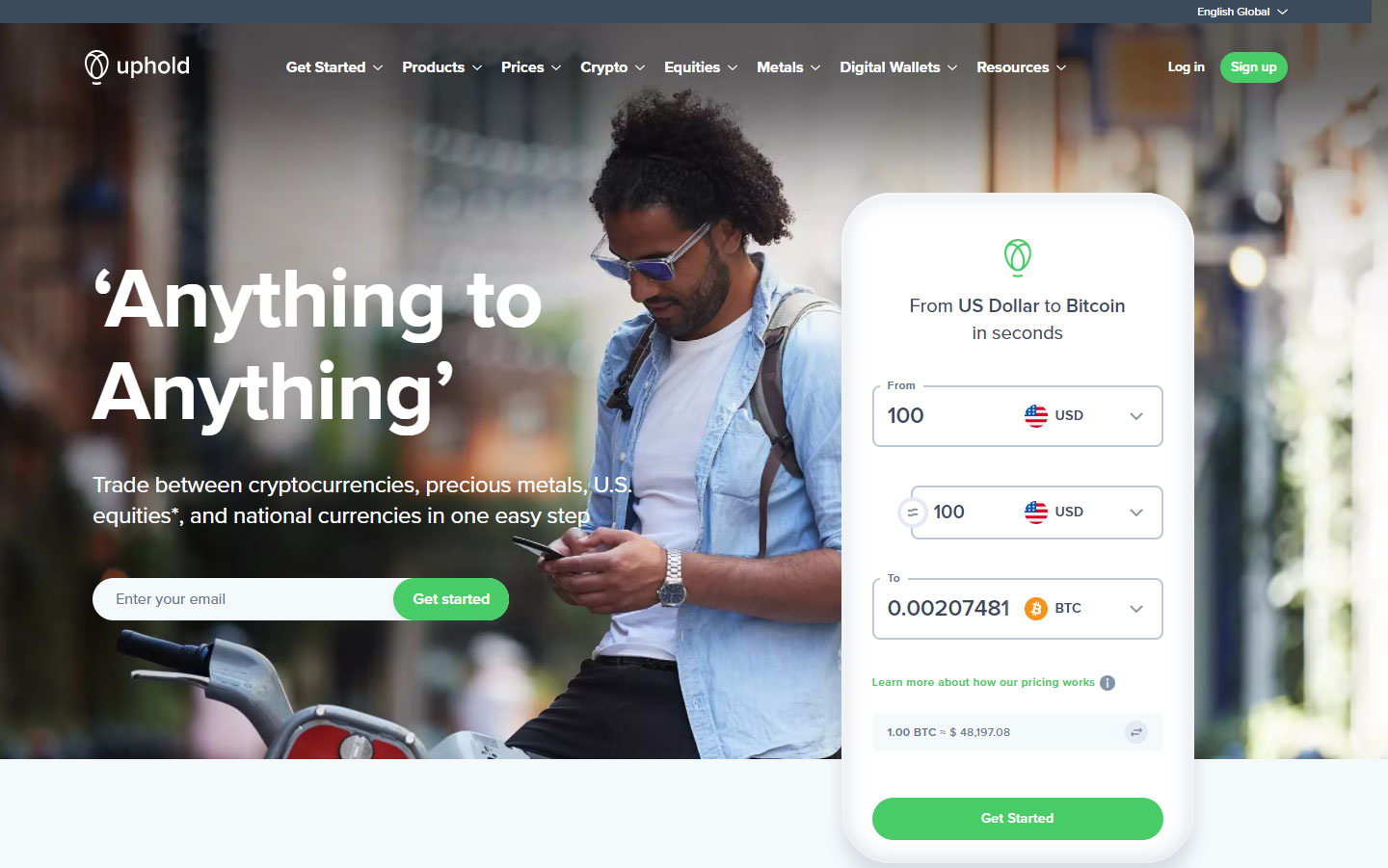
Uphold Login – Smart Habits for Safer Digital Access
Having quick access to an online account is useful, but safe access is even more important. Uphold Login is the first step for registered users who want to reach their account dashboard. A few consistent habits can make the process easier while helping users recognize potential security risks.
Make Login Security a Priority
Account security should begin before the login page appears. Use a trusted device, keep your software updated, and avoid signing in through links from unknown sources.
These simple habits can help reduce the chance of interacting with fraudulent websites.
Verify Before Entering Information
A convincing-looking website does not automatically mean it is legitimate. Before starting Uphold Login, check the website address and make sure the connection is going where you expect.
Be particularly cautious when a message asks you to sign in urgently or threatens immediate account restrictions.
Keep Your Password Private
Your password should be unique and difficult for others to guess. Avoid using personal information or repeating the same password across multiple services.
A reputable password manager can help you maintain different passwords without needing to memorize every one.
Use Available Authentication Features
Additional authentication can provide another layer of account protection. If such features are available, configure them through the legitimate account settings and follow the official instructions.
Never disclose one-time verification codes to someone who contacts you unexpectedly.
Be Careful With Account Notifications
Unexpected notifications deserve attention, but they should not cause panic. If you receive a message about a login, transaction, or account issue that you do not recognize, independently open the official platform instead of using the message's link.
This approach can help separate legitimate account activity from phishing attempts.
Sign Out on Shared Devices
If you use a computer that other people can access, avoid saving your login credentials. Sign out when your session is finished and remove any temporary account information where appropriate.
For sensitive accounts, a personal and trusted device is generally preferable.
Know What to Do When Login Fails
Login problems can happen for ordinary reasons, including incorrect information, connectivity issues, browser problems, or authentication difficulties. Check the basics first and use official recovery or support resources if the problem continues.
Avoid accepting help from strangers who request your credentials in exchange for restoring access.
Build a Regular Security Routine
Security works best as an ongoing practice rather than a one-time action. Periodically review account settings, update passwords when appropriate, and remain alert to suspicious communications.
Combining these habits with careful Uphold Login practices can make everyday account access more dependable.
FAQs
-
Why should I verify the login website?
Fraudulent websites can imitate legitimate services and attempt to collect account information. -
Should I save my password on a public computer?
No. Avoid saving credentials on shared or public devices. -
What if someone asks for my verification code?
Do not provide it. Keep authentication information confidential. -
What is the safest way to handle a suspicious account message?
Access the official platform independently and investigate the notification there rather than following an unfamiliar link.
Conclusion
Safe Uphold Login habits involve more than entering a username and password. Verifying the platform, protecting credentials, using additional security features, and responding carefully to unexpected messages can help users maintain safer digital account access.
Updated about 3 hours ago